
Stylish Evening Dresses – How to Choose the Perfect Model for You?

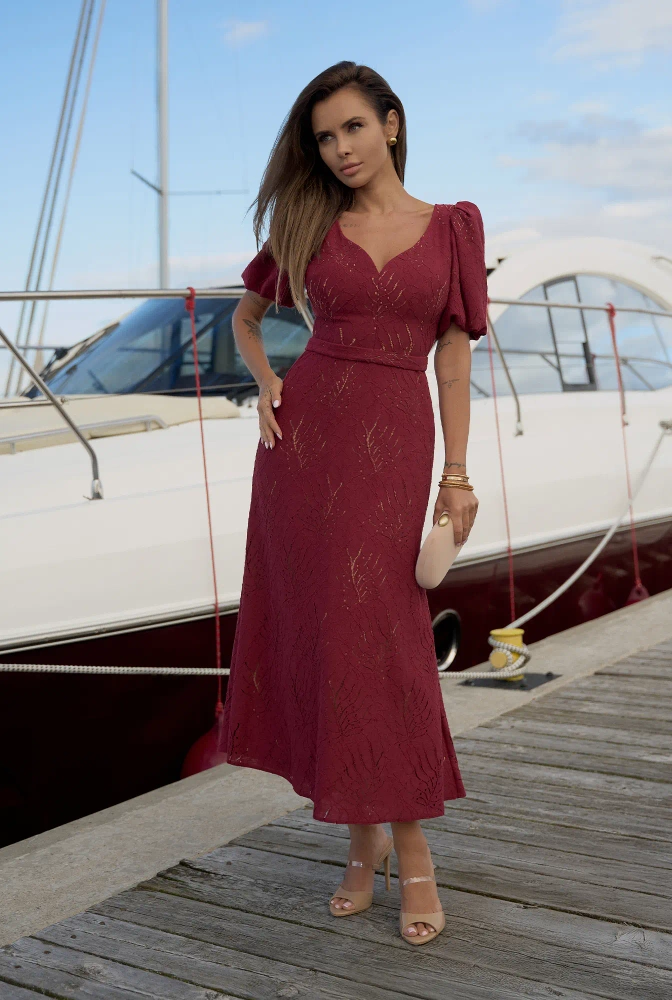
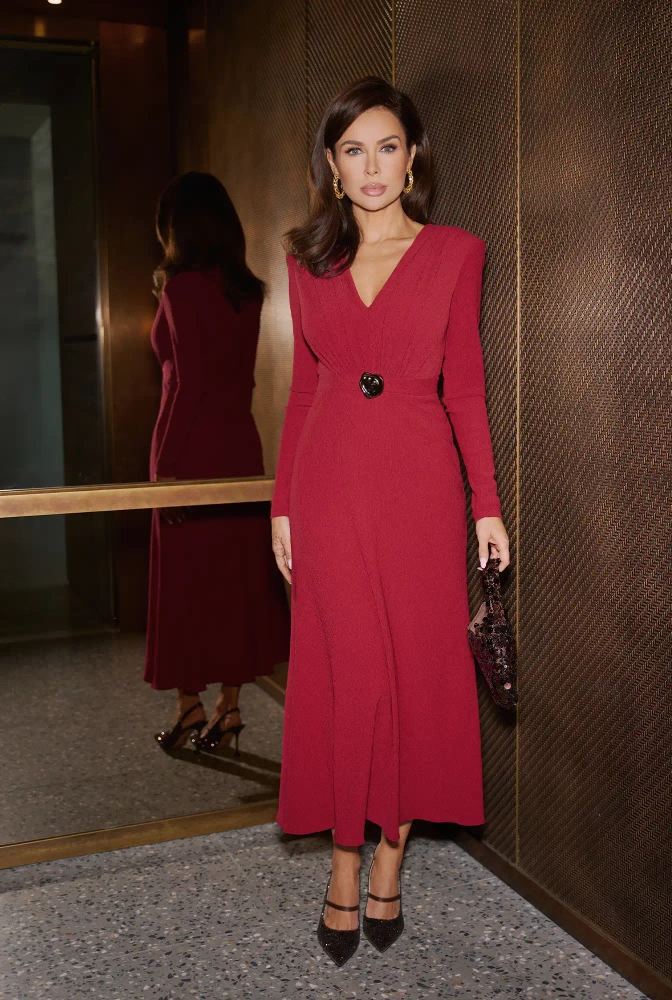
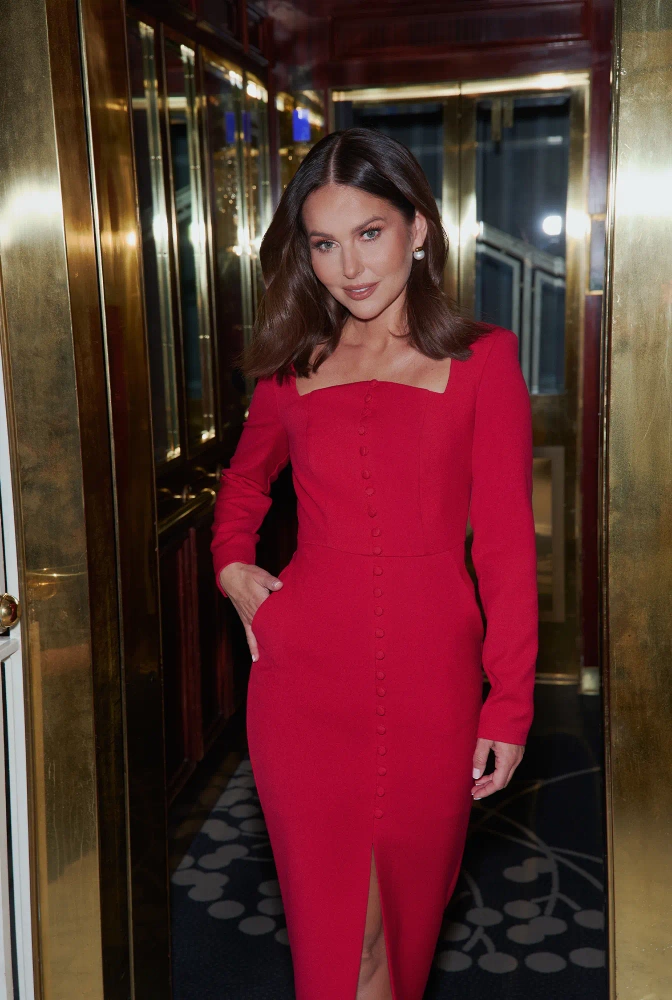
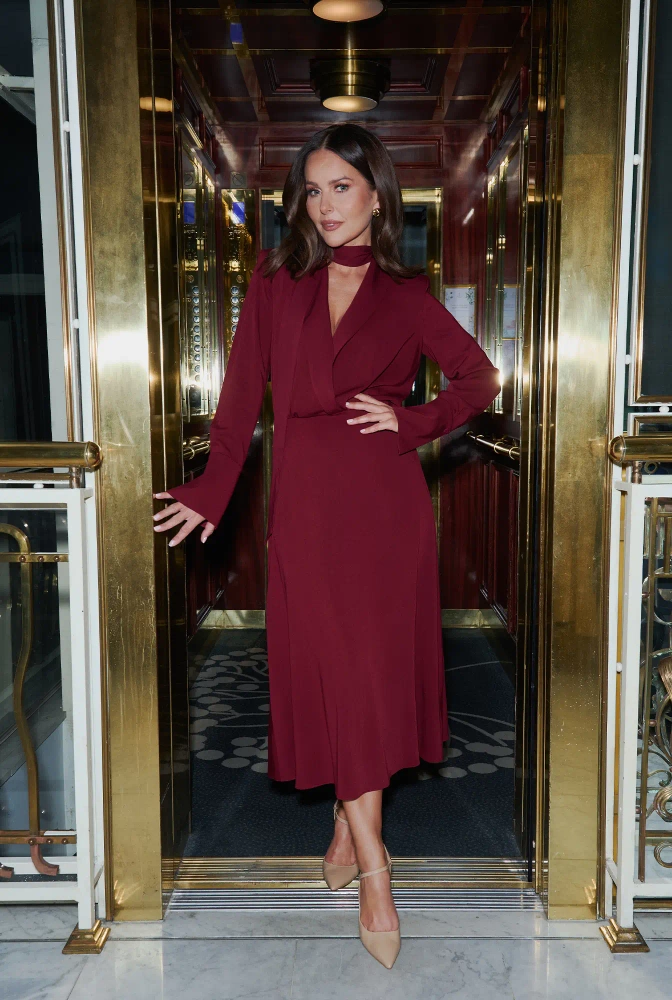
Looking for the perfect outfit? Discover how to choose an elegant midi evening dress that fits your silhouette perfectly and avoid the hassle of returns. Check out the 2026 trends!
Czytaj więcej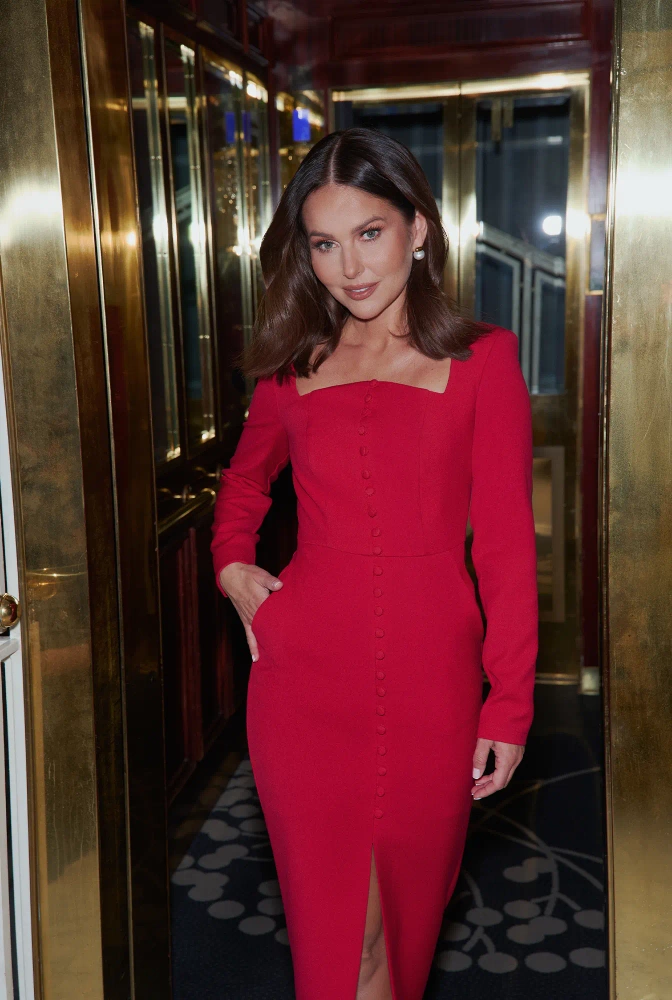
Elegant Midi Evening Dress – Why is it the Queen of Styling in 2026?
Modern evening fashion is undergoing a fascinating evolution where comfort is no longer the enemy of elegance but an inherent part of it. The year 2026 has brought the ultimate confirmation of the dominance of a length that fought for recognition for years, only to now become the absolute standard of good style. We are talking about designs reaching below the knee or to mid-calf. It is the elegant midi evening dress that has redefined the concept of chic, dethroning both skimpy minis and demanding maxis in many situations. Choosing this length is not just a matter of following trends, but above all, a conscious decision to build the image of a modern woman who values class and comfort. In this section, we will look at why this specific cut has dominated catwalks and women's hearts, becoming the most desired wardrobe item for special occasions.
The Versatility of Midi Length: A Compromise Between Mini and Maxi
The midi length represents the perfect middle ground in the fashion world, solving the eternal dilemma between revealing legs and covering them completely. Mini dresses, while striking, can often be risky in more conservative settings or during solemn ceremonies where they might be perceived as too casual. On the other hand, maxi creations, despite their majestic character, can be impractical for dancing or less formal cocktail parties, often requiring high heels to maintain proportions. Midi eliminates these problems, offering freedom of movement while maintaining the seriousness of the outfit. It allows for the display of footwear, which becomes an integral part of the styling rather than just a hidden element. It is a democratic length that works both at a garden party and in a philharmonic hall, ensuring that one creation can serve many vastly different occasions without the risk of a fashion faux pas.
Why is Midi the Safest Choice for Formal Events?
When attending an event where the nature is not fully specified or the invitation leaves room for interpretation, the midi length is the safest insurance policy for your image. In dress etiquette, there is an unspoken rule that elegance is associated with moderation, and dresses reaching below the knee naturally fit into this canon. At weddings, christenings, or official corporate banquets, a dress that is too short can attract unwanted stares and make you feel uncomfortable. Midi automatically gives the silhouette a distinguished character, suggesting respect for the hosts and the significance of the event. Furthermore, this length pairs perfectly with any type of neckline. You can afford a deeper back cut or a bolder front neckline because the covered bottom balances the whole, keeping the styling within the bounds of good taste and protecting against an over-the-top effect.
2026 Trends: The Return of Classics in a Modern Edition
The year 2026 in evening fashion is a fascinating return to the aesthetics of the 50s and 90s, but filtered through modern material technologies and futuristic details. Designers are moving away from loud avant-garde in favor of sophisticated minimalism, where construction and fabric quality play the leading role. This season, midi dresses gain new life thanks to asymmetrical hems, architectural draping, and the use of smart fabrics that fit the body better and wrinkle less. A strong trend is visible in combining matte and shiny textures within one creation, adding depth even to monochromatic styles. The color palette in 2026 shifts toward deep, saturated gemstone colors like emerald, sapphire, or ruby, as well as metallic shades of old gold and silver, which look noble rather than "disco" in a midi version. This is the season where classic elegance meets functionality.
How to Perfectly Choose a Dress Size Online and Avoid Returns?
Online shopping has become our daily reality; however, the evening wear category still generates a huge number of returns, which is frustrating for both you and the sellers. This often stems from the fact that sizing varies between brands, and we get used to the numbers on the tags of our favorite high-street stores, ignoring the fact that elegant tailoring follows different rules. An evening dress, unlike a flexible t-shirt, often has a rigid construction, underwires, or a lining that does not forgive mistakes in size selection. The key to success and avoiding the need to send back a package is changing the approach from "buying by eye" to buying based on hard data.
Measuring Bust, Waist, and Hips – A Step-by-Step Guide
Taking precise measurements is the foundation of successful online shopping, and most errors result from improper use of the measuring tape. When measuring the bust, remember that the tape should pass through the widest point of the breasts and be positioned horizontally on the back, neither sagging nor rising toward the shoulder blades. It is important to measure while wearing the underwear you plan to wear under the dress, as a push-up bra can change your circumference by several centimeters. The waist is the narrowest part of the torso, usually located slightly above the navel, not where you wear low-rise trousers. Do not suck in your stomach during measurement, as the dress must be comfortable even after dinner. Hips are measured at their widest point, including the fullness of the buttocks. Write these three measurements down and update them before every major purchase, as our bodies change cyclically.
Size Charts vs. Cut – How to Read Descriptions to Hit the Mark
Knowing your measurements is only half the battle; the other half is the ability to interpret the size chart in the context of a specific dress cut. If you are buying an A-line flared dress, the bust and waist measurements are key, while the hip circumference is secondary because the loose bottom will accommodate them anyway. In the case of pencil or mermaid-style dresses, the hip measurement becomes critical and should determine the choice of size, even if the dress is slightly loose at the waist. Pay attention to information about material elasticity. If you see elastane or spandex in the composition, you have a margin of error of about two centimeters. However, if the dress is made of rigid satin, taffeta, or has a corset top, you must stick to the table to the millimeter, and if in doubt, always choose the larger size, which is easier for a tailor to take in than to expand a small garment.
When to Order Two Sizes and When to Trust the Measurements?
There are situations where ordering two adjacent sizes is the most rational strategy, especially when time until the event is running out. This usually happens when your measurements fall exactly between two sizes in the manufacturer's chart. For example, if your bust indicates a size 10 and your waist a size 12, ordering both variants will allow you to assess in the comfort of your home which one fits better and whether the smaller one restricts movement. This is also worth doing with brands you haven't encountered before. However, if the size chart is very detailed and the store provides measurements of the garment itself measured flat, trusting the measurements is usually sufficient. Remember that ordering multiple sizes "just in case" without analyzing the chart generates an unnecessary carbon footprint and blocks stock availability for other customers.
Matching the Cut to the Silhouette – Highlight Your Assets
Every silhouette is different and deserves to look spectacular, provided the right frame—the dress—is chosen. Often, dissatisfaction with a purchase does not result from product defects, but from a mismatch between the garment's construction and anatomical build. A dress that looks phenomenal on a model with a boyish build may not sit well on a woman with full curves, and vice versa. Understanding your body geometry allows for conscious modeling of the silhouette through clothing. We can optically slim the waist, lengthen legs, or balance wide shoulders by choosing the right cuts and details.
Pear and Hourglass Figures – How to Highlight the Waist in a Midi Dress?
For ladies with a pear figure, where hips are wider than shoulders, and for hourglasses with proportional shoulders and hips, the key to success is accentuating the waist. Flared midi dresses are an absolute ally here. A fitted top emphasizes the slenderness of the torso, while the wide bottom softly flows over the hips without clinging excessively. Look for models with a waist belt, ties, or a clear cut under the bust. Boat or Bardot necklines will be ideal for pears as they optically widen the shoulder line, balancing the bottom of the silhouette. Hourglasses will look phenomenal in wrap dresses that naturally follow the body line without disturbing perfect proportions. Avoid oversize cuts that hide your greatest assets—your waistline—turning the silhouette into a shapeless block.
Apple and Column Silhouettes – Cuts that Mask and Add Curves
The apple silhouette, characterized by a fuller stomach and a lack of a clear waistline, requires cuts that shift the focal point to other areas. Empire-waist dresses, cut under the bust and flowing loosely downward, work perfectly to mask the stomach area. The midi length allows for the display of shapely calves, which are often an asset of this figure type. Conversely, the column silhouette—boyish and straight—needs the illusion of curves. Here, your allies will be ruffles, pleats, peplums, and draping around the hips and bust. Dresses with puff sleeves or large patterns will add volume where it's lacking, building more feminine proportions. In both cases, it is worth avoiding simple, tight tubes that mercilessly expose the lack of a waistline, in favor of more spatial and multi-layered constructions.
Short Stature and Below-the-Knee Length – Tricks to Optically Lengthen Legs
A common myth is that short women should not wear midi lengths because they shorten the silhouette. This is untrue, provided a few simple styling tricks are applied. Footwear is key here. Shorter ladies should avoid shoes with an ankle strap, which optically cuts the leg, shortening it. Instead, opt for nude pumps close to your skin tone, which create a continuous line with the leg, or shoes with a deep front cut. The dress itself can also help. Choose high-waisted models that optically move the waist upward, thereby lengthening the lower part of the body. Avoid dresses ending at the widest point of the calf, which is unfavorable for any silhouette. The ideal length for a shorter person ends just below the knee or at the narrowest point above the ankle. Vertical stitching, pleats, or a monochrome total look also work in your favor, drawing the silhouette upward.
Material and Color Matter – How to Match the Creation to the Season?
Choosing a dress is not just a matter of the cut, but also—perhaps primarily—the fabric and color. These determine whether the creation will be suitable for the season, temperature, and lighting. The material affects how the dress moves, whether it breathes, and how it reflects light, which is crucial for photos. Color, in turn, is a carrier of emotions and a message we send to our surroundings. The wrong fabric can make you dream only of going home on a hot summer evening, and the wrong shade can make your complexion look tired.
Satin, Silk, and Viscose – Airy Options for Spring and Summer
In the spring-summer season, when temperatures are higher and parties often take place outdoors, breathability and lightness of material should be the priority. Natural silk is the queen of summer fabrics—it cools the skin, shines beautifully in the sun, and gives the silhouette an ethereal character. High-quality viscose is a great, more budget-friendly alternative that also allows the skin to breathe and absorbs moisture perfectly. Satin, though it can be made of various fibers, should be thin and flowing in its summer version, creating a slip dress effect that hasn't gone out of style for several seasons. It's worth choosing light, pastel colors that don't attract sun rays as much as black, and floral prints that naturally fit the garden party aesthetic. Avoid heavy polyesters without a natural material lining, which can act like a sauna on hot days.
Velour and Heavy Laces – Elegance in the Autumn-Winter Season
As days grow shorter and the temperature drops, evening fashion gains weight and dignity. Autumn and winter are times for materials with rich textures and higher weights. Velour and velvet are absolute hits for winter parties and New Year's Eve balls. They work beautifully with artificial light, shimmering with deep reflections, and provide a pleasant feeling of warmth. Heavy guipure laces, often on a contrasting color lining, look exceptionally noble and three-dimensional. During this period, jacquards and taffetas also work well, as they are stiffer and allow for the building of more architectural dress forms. These materials not only protect against the cold but also mask potential silhouette imperfections better than thin summer fabrics. This is the time for long sleeves, covered necklines, and rich decorations.
Classic Black or Trendy Pastels? Color Psychology in Evening Wear
The choice of your midi dress color is a powerful image-building tool. The little black dress is a classic associated with elegance, mystery, and professionalism. It is safe, slimming, and provides an excellent backdrop for jewelry, though at weddings it is still sometimes perceived as controversial. Red is the color of energy, passion, and confidence—choose it if you want to be the center of attention. Pastels like powder pink, blue, or mint communicate delicacy, romance, and approachability, making them ideal for family celebrations. Navy blue is an excellent alternative to black—equally elegant but less harsh. Remember that dark colors absorb light and optically reduce size, while light and shiny colors emphasize shapes. Choose a color not just based on trends, but primarily for your color type so your face looks radiant.
Dress Code Secrets – Which Dress for a Wedding, and Which for a Corporate Dinner?
Even the most beautiful dress can turn out to be a fashion fail if it doesn't match the nature of the event. Understanding dress code rules is an expression of respect for the organizers and a way to avoid social discomfort. Different rules govern a wedding, where joy and fun are in the foreground, versus an official business dinner, where professionalism and restraint matter. Midi length is extremely gracious in adapting to different dress codes, but the devil is in the details—the depth of the neckline, the type of material, or the richness of decorations.
The Wedding Guest: How to Look Stylish Without Overshadowing the Bride?
The golden rule for a wedding guest is: look beautiful, but remember who the star of the evening is. White and its derivatives (ecru, ivory) are absolutely reserved for the bride unless the couple explicitly states otherwise. Also, avoid total black, which in many cultures is still associated with mourning, unless you break it up with colorful accessories. A midi dress for a wedding should be joyful, airy, and comfortable for dancing. Cocktail models, florals, delicate ruffles, or pastel colors work perfectly. Avoid overly provocative cuts, very deep necklines, or transparency, especially if the ceremony includes a church part. Elegance at a wedding should be light and effortless.
Business Formal and Cocktail Attire – Rules for Choosing a Dress for Professional Meetings
In a professional environment, even during evening outings, rules of restraint apply. Business Formal requires dresses with simple cuts, in subdued colors (navy, gray, burgundy, bottle green), with covered shoulders and a modest neckline. Midi length is most desirable here. The material should be high quality, matte, and non-transparent. Cocktail Attire, often required at less formal banquets or corporate Christmas parties, allows for a bit more freedom—you can afford a more interesting material texture, asymmetry, or a stronger color, but excessive body exposure should still be avoided. In a business context, your dress is an extension of your competence—it should build authority.
Romantic Dinner – Sensual Cuts that Build Confidence
A date or anniversary dinner is the moment where you can afford to emphasize your femininity in a more decisive way. Here, the rules are less rigid and depend mainly on the venue and your mood. A satin midi slip dress paired with a blazer is the quintessence of sensual elegance. You can opt for lace inserts, an open back, or a leg slit that subtly teases without revealing everything. Colors like red, deep burgundy, or classic black always work in candlelight. It's important that you feel confident and attractive in your chosen creation, because your confidence is the most seductive part of the styling. Remember the rule of balance—if you reveal legs with a slit, keep a more covered top and vice versa.
The Complete Styling: Which Accessories to Choose for a Midi Dress?
The dress is the heart of the styling, but accessories give it its final character. The same simple midi dress can look completely different with sneakers and a denim jacket versus heels and a necklace. Choosing accessories for a midi length requires some skill because this length cuts the silhouette in a specific place, affecting the perception of proportions. Poorly chosen shoes can optically shorten legs, and a bag that is too large can overwhelm the silhouette.
Shoes that Don't Shorten the Silhouette – Heels, Sandals, or Elegant Flats?
With midi length, footwear is critical. The safest choice is always classic heels or heeled sandals in a nude color, which optically lengthen the leg. If you opt for shoes in a contrasting color, remember they will draw the eye to the calves—ensure the dress ends at their slimmest point. Avoid ankle boots and boots ending mid-calf unless they are hidden under the dress to create continuity. Elegant ballerinas can look great with midi, especially in Audrey Hepburn-inspired styles, but this option is mostly reserved for tall ladies or those with very slender legs. In summer, delicate strappy sandals add lightness, while heavy platforms can disrupt proportions.
Jewelry and Handbags – Maintaining Proportions with Midi Length
The choice of jewelry depends on the neckline and the level of decoration on the dress itself. If the creation is rich, lace, or sequined, go for minimalist jewelry—delicate stud earrings or a thin bracelet. With smooth, minimalist dresses, you can go wild with large statement earrings or a chunky necklace. As for handbags, the rule is simple: for evening outings, choose small formats. A handheld clutch or a small bag on a jewelry chain is a bullseye. Large shoppers or tote bags disrupt the elegance of an evening midi dress. The size of the bag should also be proportional to your silhouette—petite women should choose smaller models, while ladies with fuller shapes can afford slightly larger clutches.
Outerwear – What to Throw Over Your Shoulders on a Cooler Evening?
This is often the hardest part of styling. What to wear over a midi dress without ruining the effect? A classic trench coat of a length similar to the dress (or slightly longer) is always an elegant solution. Avoid coats that end just above the edge of the dress, creating unsightly layers. A short leather jacket or a fitted blazer ending at the waist will highlight proportions and add an edge without shortening the silhouette. For very formal occasions, faux fur stoles or elegant cashmere or silk shawls thrown over the shoulders are ideal. It's important that the outerwear corresponds in style with the dress.
Shopping Strategy: New Arrivals vs. Sales
Building an evening wardrobe is a process that requires strategy. We often face a dilemma: buy the dream dress from the new collection or wait for sales, risking the lack of your size? The answer depends on your budget, urgency, and approach to trends. Conscious shopping is not just about saving money, but also about building a wardrobe based on quality rather than impulse.
Investing in Quality – Why is it Worth Having One Timeless Midi in Your Closet?
There are certain constants in fashion where it's not worth saving. A classic black or navy midi dress with a simple cut, made of high-quality material, is an investment that will pay off many times over. Such a base will save you in any unexpected situation—from a sudden wedding invitation to an important business dinner. It's worth buying it at regular price to ensure it fits perfectly and is made with attention to detail. Such a dress does not fall victim to seasonal fashions and can look different every time with a change of accessories. The quality of the material will ensure it lasts for years in impeccable condition.
How to Hunt for Bargains? A Guide for Promotion Hunters
If your budget is limited or you simply enjoy the thrill of the hunt, the sales section is your kingdom. The best time to buy evening dresses at attractive prices is the post-Christmas period (January) and the end of summer (August/September), when stores clear warehouses for the new season. It's worth signing up for your favorite store's newsletter to receive notifications about starting discount campaigns. If you have a specific model in mind but the price is prohibitive, add it to your cart or wishlist—stores often send individual discount codes to encourage finalization. Remember, however, to keep a cool head during sales—a low price isn't a sufficient reason to buy if the dress doesn't fit your figure.
New Collections – When is it Worth Splurging on a Seasonal Trend?
The new arrivals section is for women who want to stay up to date with fashion and like to experiment. It's worth looking here if you're searching for something unique for a very important event and want that "wow" effect. New collections offer the freshest cuts, colors, and patterns just entering the streets. If you see a strong trend that perfectly resonates with your style (e.g., a specific color of the year or unusual sleeve cut), don't wait for the sale, as the most interesting models disappear fastest. Buying from a new collection also gives a greater guarantee of full size availability, which is crucial if you have an unusual silhouette. Treat such purchases as a reward and a way to refresh your image.



